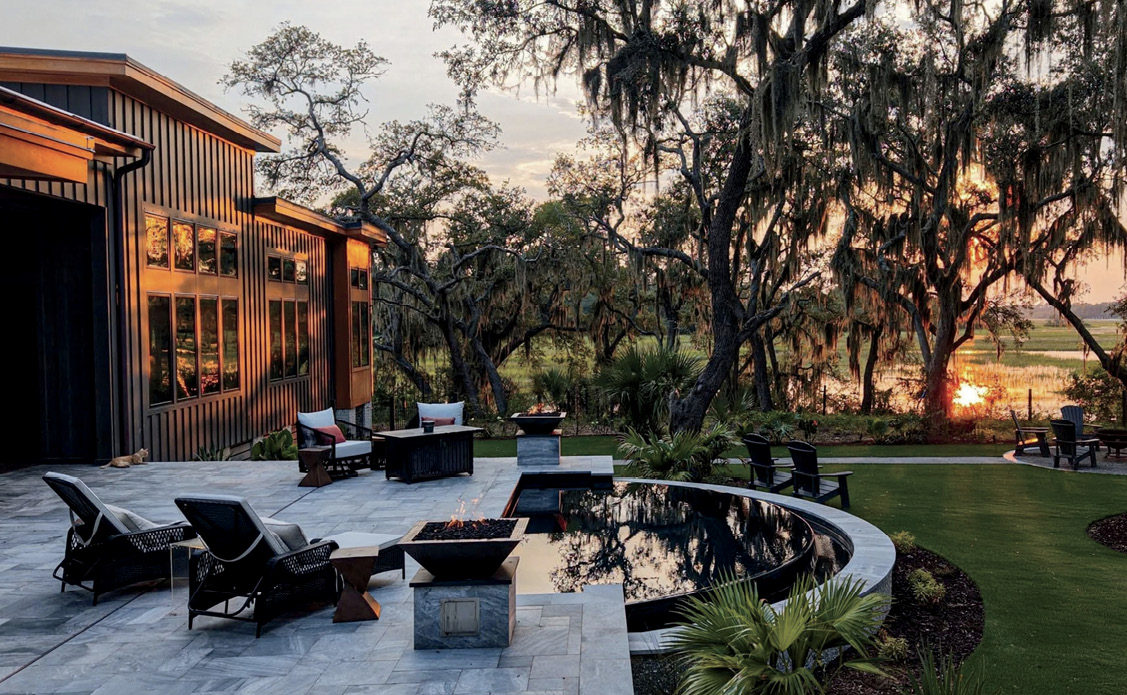

Most people who settle in beaufort, south carolina, can point to the moment they decided to stay, whether it was an evening walk along the waterfront as the tide came in over the marsh or a morning spent wandering the historic district, where antebellum homes sit beneath live oaks draped in Spanish moss. Sooner or later, those visitors find themselves looking at land.
Beaufort sits on Port Royal Island, nestled about halfway between Charleston and Savannah. Tidal rivers, salt marshes and the Sea Islands stretch out toward the Atlantic, giving the town its signature Lowcountry feel. For years, it has drawn second-homebuyers from Atlanta and Charlotte, many of whom end up working with Allen Patterson Builders. Jodie Miller, who leads sales and marketing for the firm, likens Beaufort to Charleston 20 years ago.
Miller explains that Beaufort has worked intentionally to preserve its charm. Early on, local leaders set rules to prevent the kind of dense development that has changed other coastal towns. “People are coming here because we still enjoy a very small-town feel,” Miller says. The result is a community that’s more diverse than many visitors expect and deeply connected to its landscape. When newcomers decide to build, many turn to Allen Patterson.
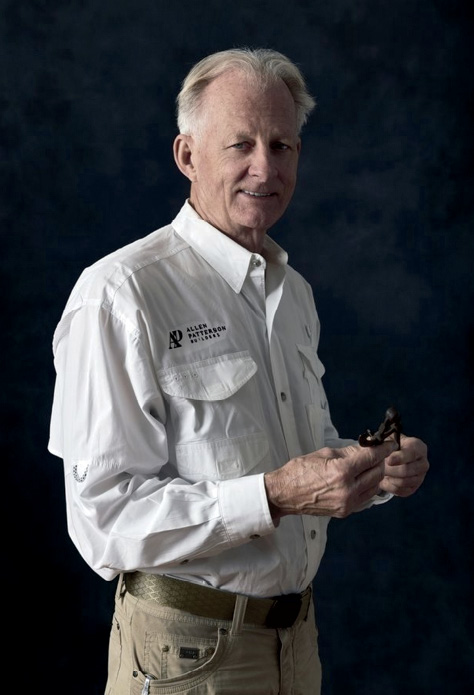
Allen Patterson started the company in 2004, but his family’s roots in Beaufort building go back generations. His grandfather’s crew laid the first underwater power cable to Parris Island, and Patterson grew up digging ditches and hauling tools on those jobsites. Later, he earned a chemistry degree from the College of Charleston, a background that still shapes his approach to building today. The firm is NAHB Certified Master Builder and Certified Graduate Remodeler and is part of the invitation-only Southern Living Custom Builder Network, which recognizes Southern builders for craftsmanship, service and stability. Patterson is especially proud that most of his team have been with him for decades, and more than half are military veterans. “People stay when they feel like they belong. Pay them fairly, support their growth and build a team they’re proud to be part of,” he says.
Most clients come to Allen Patterson Builders after buying their land, and some already have a house plan in hand. The company is happy to build from any plan and work with any architect or designer. If a client hasn’t chosen land, an architect or a home plan yet, Miller steps in to help them find the right fit for their project. Miller stresses the importance of involving the builder early, since coastal building codes can change a design. When an experienced builder reviews the drawings from the start, they can spot costly issues before they become problems. “I never want people to have to go back to the drawing board on their dream house,” Miller says. “If we’re part of early planning and material selection, we can keep that from happening.”
One thing that sets Allen Patterson Builders apart is the company’s approach to pricing. The company works on a fixed price, with changes handled through client-approved modifications or change orders. When a client comes in with a budget, the team works backward from that number to design the house. Miller calls it “a very comfortable way to build,” which is especially important for clients managing a project from out of state.
For clients building from afar, the company’s app makes staying connected easy. Homeowners get photo updates at least once a week and 360-degree progress images that let clients follow construction and see the work behind the walls. The app also tracks room measurements, so clients can start shopping for furniture and art before move-in. There’s even a folder to share inspiration photos with the builder and approve changes.
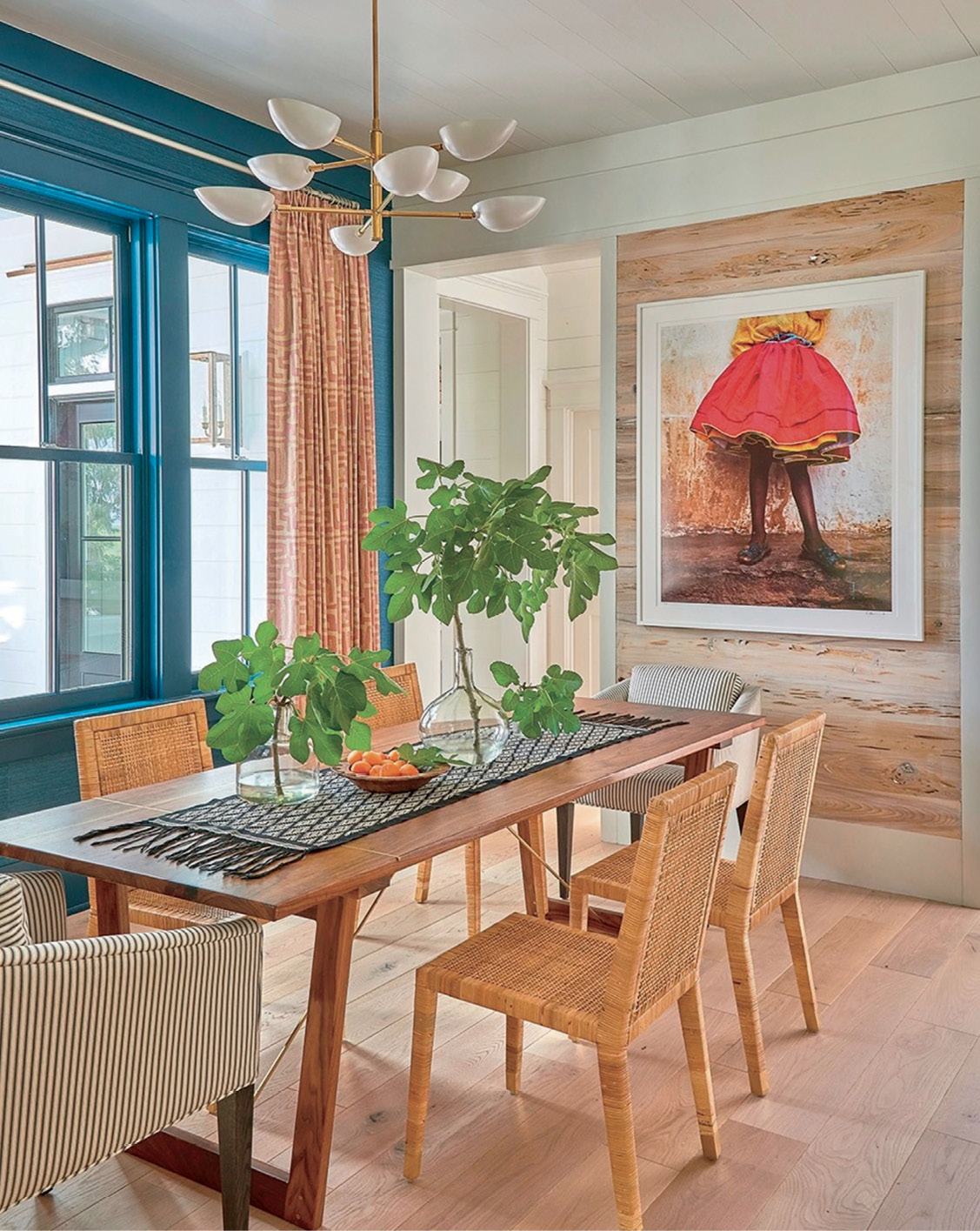
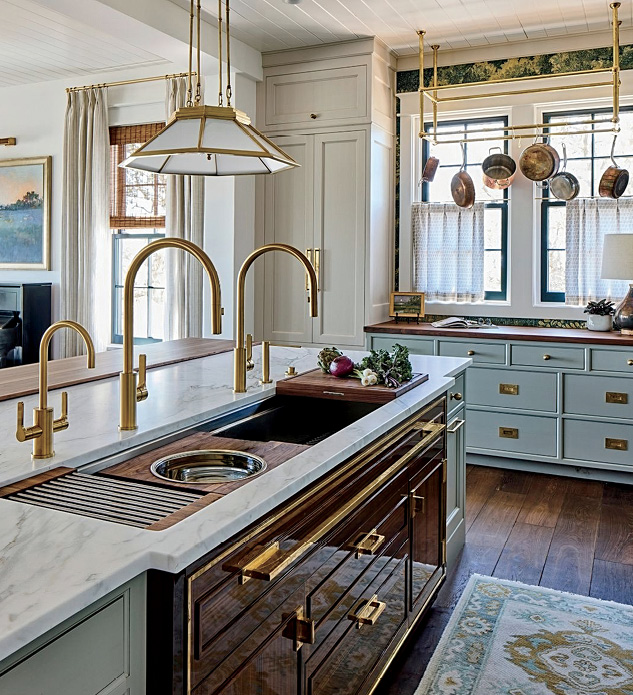
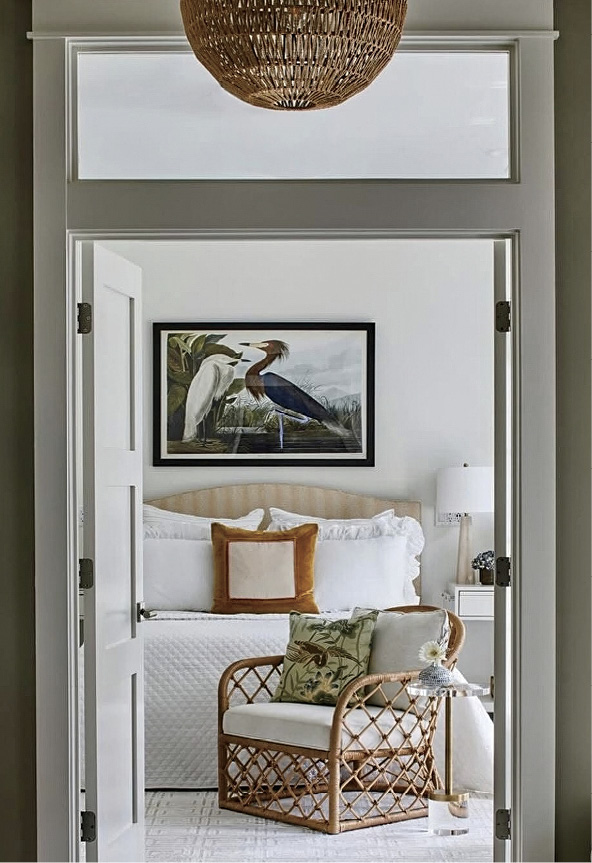
When clients finally walk through their finished home, the first thing they usually notice is the carpentry. Miller says that’s often what draws people to the firm in the first place. The company has three carpentry crews, some of whom have worked with Patterson for over 20 years. Every house gets custom trim and craftsmanship throughout. Patterson is proudly old-school when it comes to value, Miller explains, and he cares just as much about what’s behind the walls as what’s on display. “We want our houses to look brand new 30 years from now,” she says.
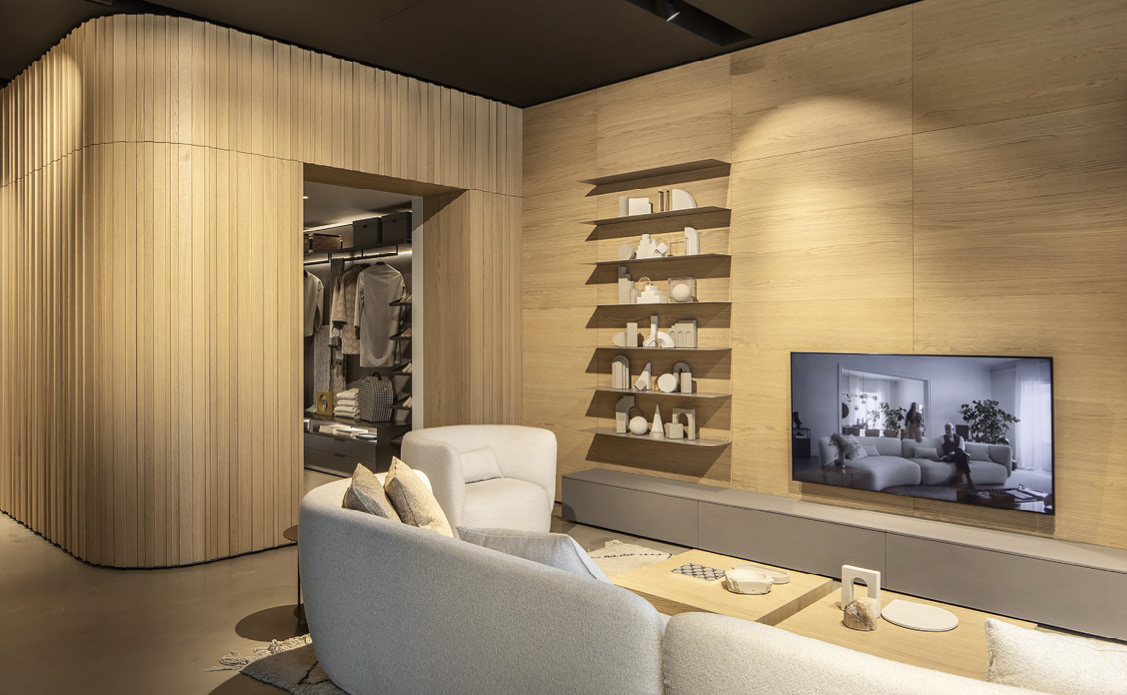
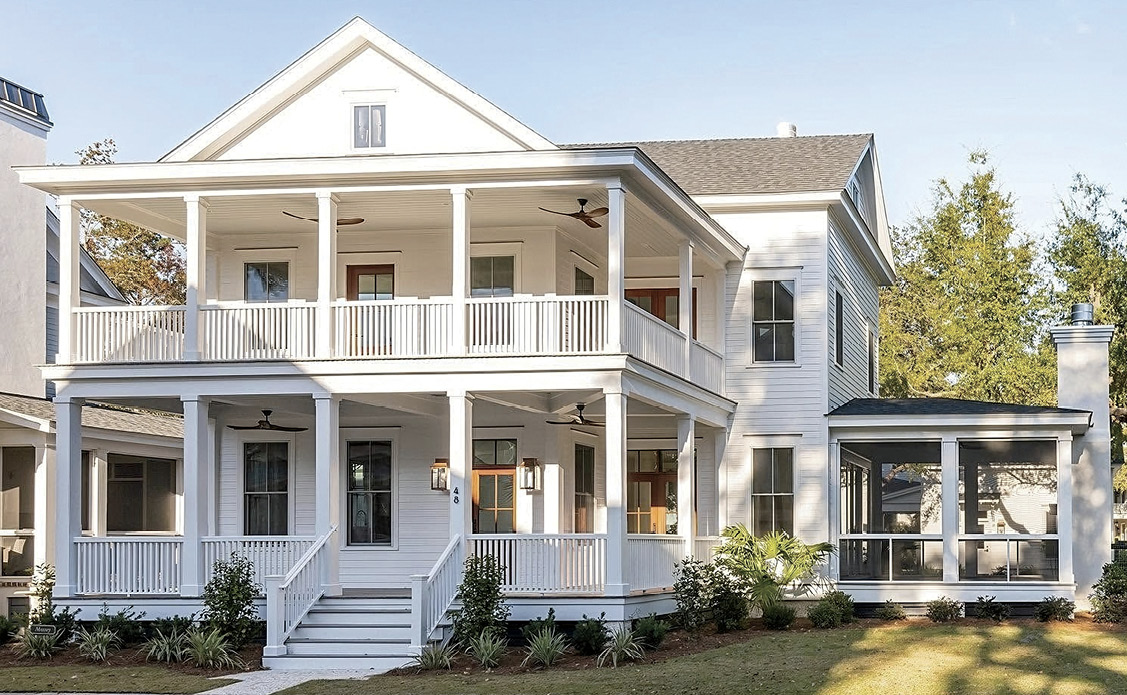
Miller notes that Lowcountry style is always changing. The homes Allen Patterson Builders creates range in style from contemporary coastal vernacular to Frank Lloyd Wright-inspired designs and classic antebellum-style residences. Miller has noticed that clients are moving away from the wide-open floor plans that were so popular a few years ago, preferring rooms with a clear purpose. First floors feature at least 10-foot ceilings and 8-foot doors, giving the house a spacious, airy feel, and large windows let in plenty of natural light. “Allen often says that light and water are why people love living here; our homes take advantage of both,” Miller says. Multigenerational living is another growing trend, with requests for elevators, private spaces tucked into owner’s retreats and flexible rooms for entertaining.
That focus on homes that work for every stage of life extends to adaptive design for clients who want to age in place or live with a disability. Not long ago, the firm built an adaptive cottage in Habersham to benefit the Parkinson’s Foundation, and Miller says you’d never guess its purpose just by walking through it. Homes like this rely on thoughtful touches: step-free entries, wider doorways, curbless showers and walls reinforced for future grab bars. Their cottage also included power switches that could be activated with an elbow or shoulder bump, and clothing racks that raise and lower at the push of a button. No matter the adaptive detail, the goal is always for it to feel like good design, so much so that many of these ideas have found their way into the firm’s other homes.
Building in the Lowcountry brings its own set of challenges, and Miller is up front about the learning curve for clients new to the South. Homes in flood zones are built on elevated foundations, which has the bonus of lifting the views and catching coastal breezes. Windows and doors are rated for storms, hardware is chosen to withstand salt air, and careful attention to moisture and ventilation keeps homes healthy in the warm, humid climate. The most important details are often the ones homeowners never see. “Building correctly from the start is how you prepare a home for coastal weather. It’s details like nail patterns and roof strapping that you’ll never notice but help the home stand up to our climate,” Miller says. “There’s such a difference in building on the coast, and you have to be able to trust your builder. It’s more important here than anywhere.”
That commitment is why every home Allen Patterson Builders completes now meets the FORTIFIED standard, a construction method developed by the Insurance Institute for Business & Home Safety after years of research on wind and storms. The standard strengthens the roof, windows and doors and the connections that tie everything together, and an independent evaluator checks the work before certifying the home. The firm had been building to this level for years, but as insurance premiums rose along the coast, it began certifying every house, which can potentially reduce premiums.
Allen Patterson Builders’ work goes beyond individual homes to entire neighborhoods. Its Midtown redevelopment in Downtown Beaufort brought 25 LEED-certified homes into a historic district known for its strict preservation rules, earning Southern Living’s Community Development of the Year award in 2013. Now, the team is building out Whitehall Point, which will include 22 single-family homes, eight luxury townhouses and space for shops and a café.
What makes Miller proudest, though, is how many clients come back to build with the firm a second time. That may be the best sign that the homes are living up to what the entire Allen Patterson team sets out to create. *
Robin Howard is a freelance writer in Charleston. See more of her work at robinhowardwrites.com.